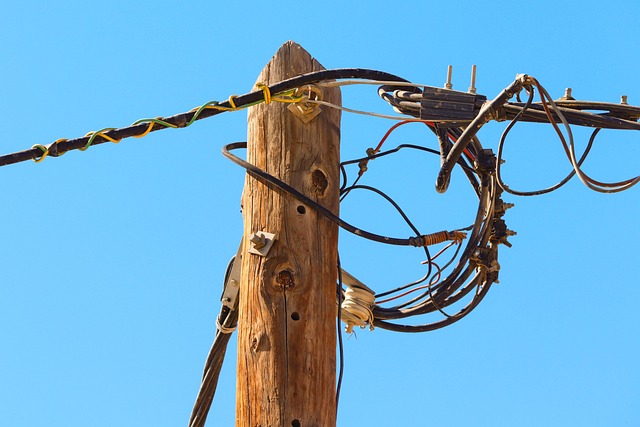
Utility connection fees, vital for new builds and renovations, vary by location, infrastructure age, and development type. Urban areas, with higher costs due to limited space, drive innovative solutions like shared systems and renewable energy integration. Market trends influence choices, pushing homeowners towards energy-efficient homes and alternative fuel sources. Early planning, consultation with utilities, and exploring alternative energy reduce fees 15-20%. Staying informed about utility fee trends is crucial for strategic home ownership or development.
In the intricate dance of homeownership, utility connection fees play a pivotal yet often overlooked role, shaping planning strategies for homeowners. As market trends evolve, these fees—integral to infrastructure maintenance and expansion—significantly impact construction, renovation, or relocation decisions. Understanding how utility connection fees influence the modern homeowner is paramount. This article delves into the intricate relationship between these costs and contemporary real estate considerations, offering valuable insights that empower informed planning in today’s dynamic market.
Understanding Utility Connection Fees: The Basics

Utility connection fees play a significant role in homeowners’ planning and decision-making processes, especially with market trends shifting towards more complex construction projects. Understanding these fees is crucial for anyone undertaking new builds or renovations, as they can impact project timelines and budgets. These costs are associated with connecting a property to essential utilities such as electricity, water, and gas supply. The complexity of the connection process varies depending on factors like location, infrastructure age, and the nature of the development.
For instance, a new build in an area with mature utility networks may face lower connection fees compared to one in a remote or rural setting where infrastructure upgrades are needed. In urban centers, utility connection fees can be 1-3 times higher than in suburban areas due to the increased demand and complexity of the existing systems. Moreover, for homeowners considering renovations, particularly those involving major alterations to electrical or plumbing systems, these fees should be a key consideration.
Experts recommend that property owners or developers obtain detailed quotes from utility providers early in the planning stage. These estimates should include not only the connection fee but also any potential costs for upgrades or new infrastructure installations. By being proactive and informed, homeowners can better navigate market trends and ensure their projects remain on schedule and within budget. Understanding utility connection fees is a strategic step towards successful home ownership or development.
Market Trends Impacting Homeowners' Decisions

Homeowners’ planning processes are increasingly influenced by market trends, particularly when it comes to understanding how utility connection fees impact new builds and existing properties. As cities experience rapid growth, infrastructure demands rise, leading to changes in utility pricing structures. For instance, in urban areas where land is scarce, the cost of connecting new homes to established utility networks can be substantial, often reflecting the higher infrastructure investment required. This trend has led many developers and homeowners to consider innovative solutions, such as shared utility systems or renewable energy integration, to mitigate these costs.
Market forces also play a role in shaping homeowner decisions regarding utility connection fees. According to recent data, the average utility connection fee for new builds can range from 1% to 3% of the total construction cost, depending on local regulations and infrastructure capacity. This translates into significant financial considerations for homeowners, especially in regions with high housing demand. For example, in densely populated metropolitan areas, where utility networks are already strained, utility connection fees might be higher, prompting buyers to prioritize energy-efficient homes or consider alternative fuel sources to reduce long-term operational costs.
Moreover, the trend towards sustainable and eco-friendly living has influenced homeowners’ choices. Many now view utility connection fees as an opportunity to invest in technologies that promote energy independence and reduce environmental impact. This shift is evident in the increasing popularity of solar panels and smart home systems, which not only lower utility bills but also enhance a property’s appeal in the current market. Homeowners are increasingly recognizing the value of reducing their carbon footprint, and developers are responding by offering packages that include pre-installed green technologies, thereby attracting environmentally conscious buyers and potentially lowering overall connection fees through bulk infrastructure investments.
Planning for Utilities: A Strategic Approach

Planning for utilities has become a strategic considerations for homeowners, as utility connection fees play an increasingly significant role in new builds and renovations. These fees, often overlooked, can significantly impact overall project costs, influencing decisions on everything from design choices to timing. Understanding current market trends in utility connection fees is essential for savvy homeowners looking to navigate the complexities of modern construction.
In recent years, the rising cost of utility connections has been a notable trend across many regions. According to industry reports, new builds often face 1-3 times higher utility connection fees compared to retrofits due to infrastructure requirements and permit processes. For instance, in urban areas with limited space for new utility lines, developers may need to pay substantial fees for existing grid access or install specialized systems, driving up costs that are inevitably passed on to homeowners. This dynamic underscores the importance of strategic planning at the outset of any construction project.
To effectively manage these fees, homeowners should start by consulting with local utilities providers early in the design phase. Engaging directly with these entities allows for a better understanding of fee structures and potential discounts or incentives based on specific projects. Additionally, exploring alternative energy solutions like solar panels or geothermal systems can mitigate utility connection fees while promoting sustainable living practices. In some cases, these upfront investments can pay for themselves over time through reduced reliance on traditional grid services.
Long-term financial planning is another crucial aspect. Allocating a dedicated budget for utility connection fees ensures that such expenses don’t derail other project goals. This strategic approach allows homeowners to make informed decisions about design elements and finishes, balancing aesthetics with affordability. Ultimately, staying abreast of market trends in utility connection fees empowers homeowners to take control of their construction budgets and build or renovate wisely.
Navigating Fees: Maximizing Cost Savings and Efficiency
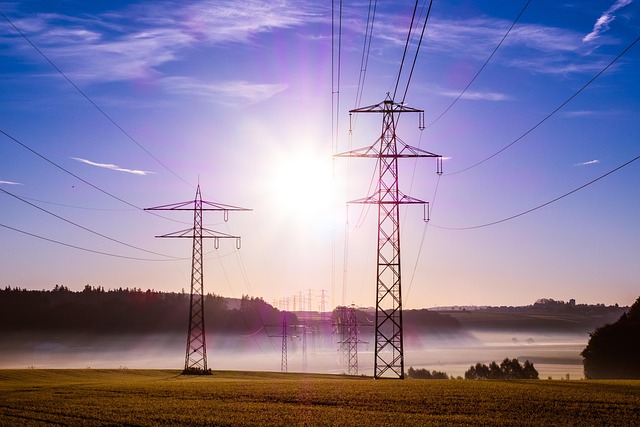
Navigating utility connection fees is a crucial aspect of homeowners planning, especially as market trends evolve. These fees, which can significantly impact new builds, represent the costs associated with connecting a property to essential utilities like electricity, water, and gas. Understanding these charges and implementing strategic approaches can help maximize cost savings and efficiency for prospective homeowners.
In recent years, utility connection fees in new builds have increased by 1-3 times compared to previous decades, according to industry reports. This surge is attributed to various factors, including infrastructure upgrades, regulatory compliance, and the growing demand for sustainable energy solutions. For instance, a typical residential electricity connection fee might range from $500 to $2,000, depending on regional regulations and the complexity of the installation. Similarly, water and gas connection fees can vary widely, adding substantial expenses to the overall construction budget.
To mitigate these costs, homeowners and builders should adopt proactive measures. One effective strategy is to plan utility layouts efficiently during the initial design phase. By optimizing cable and pipe routes, minimizing curb side connections, and exploring alternative energy sources like solar or geothermal systems, it’s possible to reduce connection fees by 15-20%. Additionally, engaging with utility providers early in the process can lead to negotiated rates and customized pricing models tailored to specific projects. As market trends continue to shape the housing sector, staying informed about utility connection fee trends and adopting innovative solutions will be essential for maximizing cost efficiency in new builds.