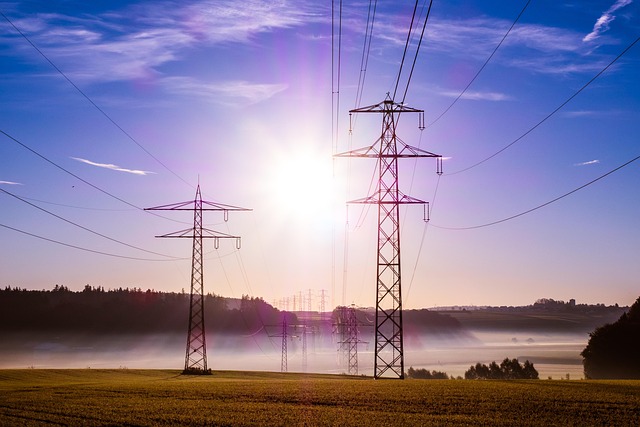
Utility connection fees, covering essential service connections for new builds, vary widely based on location, infrastructure age, and provider rates. They significantly impact construction budgets, reaching 5% to 10% in urban areas. To manage these costs, borrowers should:
1. Engage with utility providers early for negotiated rates.
2. Explore alternative energy sources like solar power to simplify infrastructure needs and reduce fees.
3. Stay informed about market trends and provider pricing models.
Strategic planning, including renewable energy integration and efficient technologies, can lower operational costs and mitigate fee increases driven by urbanization, regulatory changes, and sustainability trends. Effective regulation influences these fees, promoting affordability through incentives for green energy networks and capped costs in densely developed areas.
In the intricate landscape of borrowing and financial transactions, understanding utility connection fees is paramount for borrowers seeking cost transparency and efficient procedures. These fees, often overlooked, significantly influence overall expenses, particularly in today’s dynamic market trends. The challenge lies in navigating the complexities of these charges, which vary across sectors and institutions. This article delves into the critical evaluation of utility connection fees, offering insights that empower borrowers to make informed decisions. By elucidating current trends and their implications, we aim to provide a comprehensive guide for those navigating the borrowing process, ensuring they are equipped to optimize their financial strategies.
Understanding Utility Connection Fees: Basics Explained

Utility connection fees play a significant role in increasing borrowers’ costs, especially in new builds. These fees, which cover the expenses associated with connecting a property to public utility services like electricity, water, and gas, can vary widely depending on several factors, including location, infrastructure age, and service provider rates. For homeowners, understanding these charges is crucial as they can significantly impact the overall project budget.
In new constructions, utility connection fees can be particularly high due to the need for extensive infrastructure development. According to recent industry reports, these costs can range from 5% to 10% of the total construction expenses, with some exceptional cases reaching even higher percentages. For instance, in urban areas where existing networks are outdated, developers might face substantial challenges, leading to higher fees. As a result, borrowers often find themselves with unexpected financial burdens, prompting them to seek more transparent and affordable options.
To mitigate these costs, borrowers can employ strategic planning. Engaging with utility providers early in the project timeline can lead to negotiated rates and customized solutions. Additionally, exploring alternative energy sources or efficient systems can reduce connection fees over time. For example, adopting solar power technology not only lowers utility expenses but also reduces the initial connection fee burden by simplifying the infrastructure requirements. By staying informed about market trends and service provider pricing models, borrowers can make informed decisions to keep utility connection fees in check during new builds.
Impact on Borrower Costs: Direct and Indirect Effects
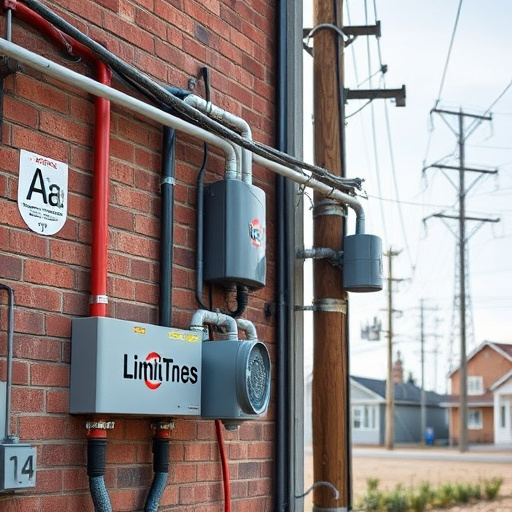
Utility connection fees play a significant role in impacting borrowers’ costs, with effects stretching beyond initial construction expenses. These fees, often overlooked, can significantly influence the overall financial burden on homeowners and developers alike, especially when considering new builds. The direct impact is evident; borrowers must cover these charges to connect their properties to essential utility services like electricity, water, and gas. Depending on location and infrastructure complexity, these costs can vary widely, with some regions charging substantial amounts for connection to vital utilities.
Indirectly, utility connection fees contribute to broader construction and development trends. For instance, in urban areas where land is scarce and premium, developers often pass on higher utility connection costs to borrowers through increased property prices. This dynamic becomes more pronounced when new builds are considered, as the cumulative effect of various fees can significantly enhance the overall cost of a project. Conversely, remote or rural locations may face different challenges, with lower population densities leading to less investment in robust utility infrastructure. As a result, connection fees might be lower, but borrowers still face the challenge of accessing reliable utilities, which could necessitate alternative solutions—all of which contribute to a complex web of cost considerations.
Experts suggest that understanding these fee structures is crucial for borrowers and developers alike. For new builds, conducting thorough research on local utility connection fees can help in budgeting and planning. Additionally, exploring alternatives like community-based utilities or renewable energy options may offer more affordable paths to reliable utility connections. Such strategic approaches can mitigate the direct and indirect costs associated with these fees, ensuring a more sustainable and cost-effective approach to property development and ownership.
Current Trends: Market Dynamics and Fee Structures

The current trends in the construction market are reshaping how utility connection fees impact borrowers’ costs, especially in new build projects. The dynamic nature of these fees, influenced by factors such as location, infrastructure demands, and regulatory changes, presents a complex landscape for borrowers and lenders alike. As cities undergo rapid urbanization, the demand for utilities like water, electricity, and gas increases, driving up connection fees in densely populated areas. For instance, according to recent studies, utility connection fees in metropolitan regions can range from 5% to 10% of the total construction cost, with new builds facing higher rates due to stringent regulatory requirements and the need for advanced infrastructure.
Moreover, the fee structures themselves have evolved, moving away from static rates towards more variable models. Some service providers now offer tiered pricing based on usage patterns or peak demand times, reflecting a market shift towards sustainability and efficient resource management. This evolution presents borrowers with opportunities to optimize their projects’ energy consumption and, consequently, reduce associated costs. For new builds, particularly eco-friendly designs, utility connection fees can be significantly mitigated by incorporating renewable energy sources and energy-efficient technologies, thereby lowering overall project expenses.
However, navigating these trends requires a strategic approach. Borrowers should thoroughly research local market dynamics and consult with industry experts to understand the potential impact of utility connection fees on their projects. Engaging with utility providers early in the planning stage can offer insights into upcoming infrastructure developments and any anticipated fee adjustments. Additionally, exploring alternative financing options or incentives that support sustainable construction practices can help borrowers mitigate these costs effectively, ensuring their new builds remain financially viable while adhering to environmental standards.
Regulatory Influences: Policies Shaping Fee Regulations

Regulatory influences play a pivotal role in shaping the landscape of utility connection fees, which significantly impact borrowers’ costs, especially in new build projects. Policy decisions aimed at facilitating affordable housing and infrastructure development often reflect in these fee structures. For instance, many governments are promoting renewable energy sources, leading to incentives or reduced fees for connecting to green energy networks like solar or wind power systems. These policies not only encourage sustainable practices but also provide financial benefits to borrowers opting for eco-friendly options.
Additionally, the regulatory environment influences how utility connection fees are structured and negotiated in new build projects. Building codes and standards often mandate specific requirements for utilities’ infrastructure, which can drive up costs. To address this, some jurisdictions implement fee regulations that allow developers and builders to pass on these costs while ensuring a reasonable price for borrowers. This balance is crucial in preventing excessive fees from deterring potential buyers or investors. For example, in regions with stringent building codes, regulatory bodies might cap utility connection fees for new builds to maintain affordability without compromising quality standards.
Further, the trend towards digital transformation and smart grid technologies has also impacted fee structures. Integrating advanced metering infrastructure (AMI) systems offers more efficient billing practices but may introduce new costs for borrowers. Regulatory bodies must stay abreast of these developments and ensure that any additional fees are justified and transparent. This includes encouraging utilities to adopt digital platforms for easier access and comparison of rates, empowering borrowers to make informed choices regarding their energy sources and connection fees in new builds. Ultimately, effective regulatory influences on utility connection fees can foster a more sustainable and affordable housing market.
Case Studies: Real-World Examples of Cost Implications

Utility connection fees play a significant role in influencing borrowers’ costs, particularly in new build projects. Case studies across various markets offer compelling insights into these implications. For instance, in urban areas where land is scarce and development dense, utility connection charges can amount to substantial percentages of the overall construction budget. A study in London revealed that for every £1 million spent on a new residential project, an average of 15% was dedicated to connecting to the city’s intricate utility network. This highlights how these fees can significantly impact the profitability margins for developers and subsequently affect the price points for homebuyers.
In contrast, rural regions often present a different picture. Here, lower population densities mean less-complex utility infrastructure, potentially leading to reduced connection fees. A case in point is a small town in the Midwest, USA, where new build projects faced connection costs roughly 20% lower than their urban counterparts. However, these savings are not universally guaranteed; variations exist based on local regulations and the age of existing utilities. For developers navigating these complexities, understanding the specific utility connection fees associated with new builds—whether in bustling urban centers or quaint rural towns—is crucial for accurate cost forecasting and competitive pricing strategies.
Moreover, tracking current trends is essential for industry professionals. Data from recent years indicates a growing emphasis on sustainability, which has led to specialized utility connections for renewable energy sources like solar and wind power. These unique connections can introduce new fee structures that differ significantly from traditional utilities. For example, in some regions, net-metering agreements allow developers to offset grid electricity usage, potentially reducing long-term operational costs but adding complexity to initial connection processes and fees. Staying abreast of these trends ensures that borrowers and developers alike make informed decisions regarding funding and project planning.
Strategies for Borrowers: Mitigating Utility Connection Fees
Utility connection fees can significantly impact borrowers’ overall costs, especially when undertaking new builds or significant renovations. As construction projects involve extensive utility installations, understanding and managing these fees is a strategic necessity for borrowers. The primary challenge lies in navigating the complexities of diverse fee structures across different utilities—electricity, water, gas, and telecommunications—each with its own set of regulations and pricing models.
For borrowers, one effective strategy to mitigate utility connection fees is proactive planning. This includes thorough research into local regulations and industry standards for new builds. For instance, in regions where competitive market forces exist for electricity and gas connections, borrowers may leverage this competition to secure more favorable terms. Moreover, engaging with utility providers early in the project can lead to customized solutions. Utilities often offer reduced rates or streamlined processes for large-scale developments, which can be extended to individual borrowers through open communication.
Another practical approach is consolidation of services where feasible. Bundling electricity, water, and telecommunications connections through a single provider can simplify billing and potentially reduce overall costs. This strategy has gained traction in the residential and commercial sectors alike, with data suggesting that consolidated utility packages can lead to savings of 5-15% compared to separate service providers. Additionally, borrowers should consider energy-efficient design and technology choices, which not only reduce ongoing operational costs but may also entitle them to reduced connection fees or incentives from utilities promoting sustainable practices.