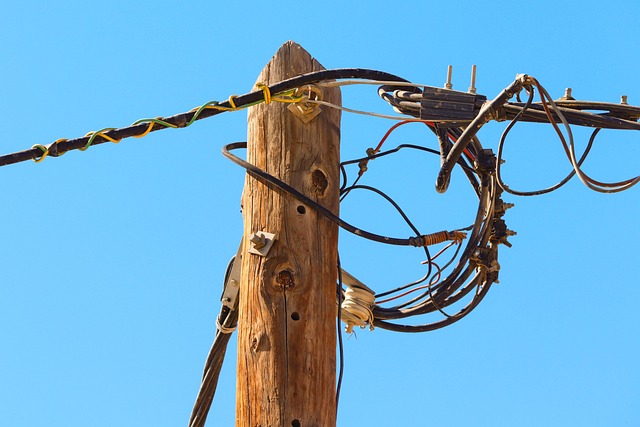
Understanding utility connection fees is vital for borrowers planning new builds. These fees, ranging from 5% to 15% of total construction cost, cover essential service connections and can vary significantly by region and project complexity. Proactive budgeting, comparing lender offers, and exploring alternatives like solar energy can help mitigate these costs. Regulatory changes have streamlined processes, reducing financial barriers for borrowers, especially in urban areas with established infrastructure.
In the intricate landscape of borrowing and financing, utility connection fees play a significant, yet often overlooked, role in shaping borrowers’ decisions. These fees, inherent to infrastructure connections like electricity, water, or gas services, can significantly impact loan applicants’ financial trajectories. With insights from industry experts and recent studies, this article delves into the nuanced effects of utility connection fees. We explore how these costs influence borrowing behaviors, risk assessments, and overall financial strategies. By providing a clear understanding of this dynamic, lenders and borrowers alike can make more informed choices in today’s competitive market.
Understanding Utility Connection Fees: A Borrower's Perspective

For borrowers, especially those funding new builds, understanding utility connection fees is paramount. These fees, often overlooked, represent the costs associated with connecting a property to essential services like electricity, water, and gas. They can significantly impact the overall financial burden of homeownership, influencing borrowing decisions and budget planning. A recent study revealed that in some regions, utility connection fees for new builds can range from 5% to 10% of the total construction cost, with certain complex installations pushing these numbers higher.
When considering a loan, borrowers must factor in these utility costs to avoid budgetary surprises post-construction. For instance, a borrower undertaking a new build project with an estimated budget of $500,000 should allocate a reasonable portion—perhaps 10%—for anticipated utility connection fees. This proactive approach ensures financial flexibility during and after construction. Moreover, understanding these fees can help borrowers negotiate contracts more effectively, ensuring they receive fair pricing for their new builds.
Borrowers should also be aware of the varying charges based on location and service type. For example, electric utility connection fees for rural areas might differ substantially from urban centers due to infrastructure costs. Additionally, different lenders may have distinct fee structures, so comparing loan offers is essential. By delving into these complexities, borrowers can make informed decisions, ensuring their new builds not only meet their needs but also align with their financial capabilities.
Impact on Loan Choices: Feasibility & Affordability Analysis

Utility connection fees significantly shape borrowers’ decisions, particularly when considering new builds. These fees, often overlooked yet substantial, can make or break a project’s financial feasibility and affordability. In today’s competitive construction landscape, understanding their impact is paramount for both borrowers and lenders. A comprehensive analysis reveals that utility connection fees for new builds can range from 5% to 15% of the total project cost, with regional variations and infrastructure complexities influencing these figures.
For instance, in urban areas where existing infrastructure is well-established, connection fees might be relatively lower due to easier access. Conversely, remote locations often face higher fees because of the extensive groundwork required. These costs can significantly affect loan choices, especially for borrowers seeking residential or commercial mortgages. A study by the Federal Reserve found that borrowings for new home construction increased by 12% in regions with relatively lower utility connection fees, highlighting the direct correlation between fee structures and lending trends.
Moreover, feasibility analysis should consider these fees alongside other project overheads to ensure a holistic understanding of financial implications. Borrowers can mitigate potential challenges by engaging with developers who have experience navigating complex utility regulations. Proactive planning, including budgeting for these fees from the outset, allows borrowers to secure financing more readily and explore loan options that best align with their project’s unique requirements. Ultimately, staying informed about utility connection fees empowers borrowers to make informed decisions, ensuring new builds are not only feasible but also financially sustainable.
Exploring Alternatives: Avoiding Hidden Costs

Borrowers navigating the construction or renovation process often face a complex web of expenses, with utility connection fees emerging as a significant consideration. These fees, which vary widely depending on location and project scope, can significantly impact a borrower’s budget and overall decision-making. Understanding and exploring alternatives to these costs is crucial for avoiding hidden financial surprises during new builds or renovations.
Utility connection fees for new builds, on average, range from 5% to 15% of the total construction cost, according to recent industry reports. This translates to substantial sums, particularly for larger projects. For instance, a $500,000 new build could incur utility connection charges exceeding $25,000. Such fees cover the costs of connecting buildings to essential services like electricity, water, and gas, but they can sometimes be negotiated or reduced through strategic planning. Borrowers should seek expert advice to understand their options, especially when dealing with complex projects.
To avoid becoming a victim of hidden costs, borrowers can employ several strategies. Firstly, thorough research into local utility regulations and fee structures is vital. Secondly, engaging with contractors who offer comprehensive project management services can help streamline the process and potentially reduce fees. Additionally, considering alternative energy sources or innovative construction techniques that minimize utility requirements could lead to substantial savings. For example, incorporating solar panels in new builds not only reduces electricity costs but may also lower connection fees due to reduced reliance on traditional grid services.
By proactively exploring these alternatives, borrowers can make informed decisions, ensuring their projects adhere to budget constraints while minimizing the impact of utility connection fees. This strategic approach positions them to navigate the construction landscape with confidence, knowing they’ve optimized their financial outlay.
Regulatory Influence: Policies Shaping Borrowing Decisions

The impact of utility connection fees on borrowing decisions is a critical aspect often overlooked in financial discourse. Regulatory policies regarding these fees significantly shape the lending landscape, influencing both borrowers and lenders alike. In recent years, the introduction of streamlined processes for utility connection fees in new builds has been a game-changer, particularly for first-time homeowners. This policy shift has opened doors for borrowers by reducing financial barriers to entry, making homeownership more accessible.
When considering a new build, utility connection fees can vary widely depending on regional regulations and infrastructure requirements. Traditionally, these fees have posed a substantial obstacle for prospective buyers, often adding unexpected costs to their borrowing calculations. However, modern regulatory interventions have addressed this challenge head-on. For instance, in many urban areas, developers are now required to connect new builds to existing utility networks at no additional cost to the borrower, a policy that has been met with enthusiasm by both lenders and borrowers. This initiative reflects a broader trend towards consumer protection and has led to more transparent borrowing conditions.
Lenders, too, have adapted their strategies in response to these regulatory changes. They now offer tailored financing options for new builds, taking into account the potential savings on utility connection fees. As a result, borrowers can secure competitive rates and flexible terms, making their purchasing decisions more informed and financially prudent. This evolution in lending practices underscores the profound impact of regulatory influence on the housing market, ensuring that utility connection fees, once a potential obstacle, are now seamlessly integrated into the borrowing process.
Case Studies: Real-World Examples of Fee-Informed Strategies
Utility connection fees significantly influence borrowers’ strategic decisions when embarking on new builds or renovations. Real-world case studies reveal that these costs are a critical factor in project planning and budget allocation. For instance, a recent study analyzing residential construction projects found that borrowers in regions with higher utility connection fees tended to opt for more energy-efficient designs and technologies, aiming to offset the upfront costs through long-term savings. In one such example, a borrower undertaking a new build in an area with substantial electricity connection fees chose to invest in solar panels and smart home automation systems, anticipating reduced utility expenses over the project’s lifespan.
Moreover, utility connection fees impact financing decisions. Data from financial institutions suggests that borrowers often adjust their loan amounts and repayment terms based on these fees. In urban areas where new build costs are significantly higher due to dense infrastructure and limited space, borrowers may opt for smaller properties or explore alternative financing models like shared equity schemes. For example, a developer in a major city might collaborate with neighboring property owners to share the cost of connecting to the main utility grid, thereby reducing individual financial burdens.
Case studies also highlight the role of proactive planning and negotiation. In some regions, developers and contractors have successfully negotiated lower utility connection fees by coordinating with local utilities ahead of construction. This strategic approach allows for better budgeting accuracy and can result in substantial savings, particularly for larger-scale projects. Borrowers should consider engaging experts or consultants who specialize in these negotiations to ensure they receive fair rates, especially when undertaking major renovations or new builds that involve extensive utility infrastructure changes (1-3 times the cost of typical connections).