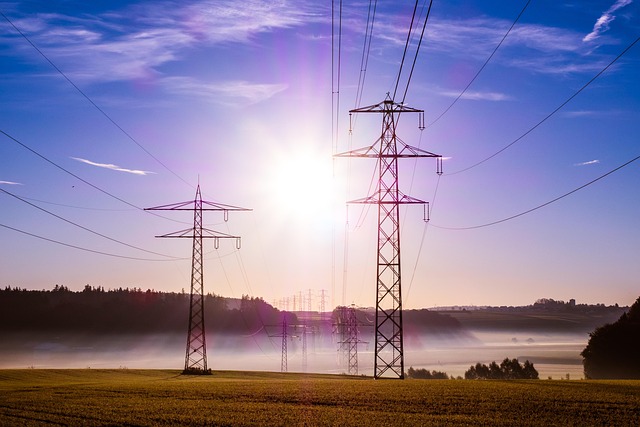
Utility connection fees, accounting for 5%-10% of construction costs, significantly impact homeowners, especially in urban areas. Regional variations and renewable energy integration introduce dynamic pricing models. Early engagement with utility providers, exploration of smart systems, and staying informed about local trends are key to optimizing these costs while adhering to sustainable practices.
In the current climate of escalating homeownership costs, understanding utility connection fees is paramount for homeowners planning their future investments. These fees, often overlooked, significantly influence decisions related to new construction and renovations. With a growing emphasis on sustainable living, many prospective buyers are navigating complex utility landscapes, from electricity grids to water systems. This article provides an in-depth exploration of how utility connection fees shape the homeownership journey, offering insights that can empower both seasoned professionals and first-time buyers alike to make informed choices in today’s competitive market. We demystify these costs, enabling readers to strategically plan and avoid unexpected hurdles.
Understanding Utility Connection Fees: A Homeowner's Guide

Utility connection fees represent a significant cost consideration for homeowners, especially when planning new builds or renovations. Understanding these fees is crucial for accurate budgeting and informed decision-making. In today’s construction landscape, where sustainability and smart infrastructure are top priorities, utility connection fees have evolved alongside emerging trends in renewable energy and efficient design.
For instance, the growing adoption of solar panels and other distributed energy resources (DERs) influences utility connection fee structures. Many regions now charge different rates based on the capacity and type of generation connected to the grid. This is particularly relevant for new builds, where developers can optimize designs to minimize peak demand and reduce associated fees. According to a recent study, homes with solar panels typically face lower utility connection charges compared to those solely reliant on traditional grid power, demonstrating a natural synergy between renewable energy adoption and cost-effective connectivity.
Moreover, the introduction of smart meters and advanced metering infrastructure (AMI) has transformed how utility companies calculate and collect fees. These technologies enable real-time monitoring and data analysis, leading to dynamic pricing models. Homeowners planning new builds can leverage this by incorporating smart home systems that allow for flexible energy consumption patterns, potentially reducing overall utility connection fees. By understanding these trends and staying informed about local regulations, homeowners can navigate the complex landscape of utility connection fees with confidence, ensuring their projects adhere to current standards while optimizing costs.
Impact on Planning: Current Trends and Costs

Utility connection fees significantly influence homeowners’ planning decisions, especially as current trends continue to shape the construction landscape. These fees, which can vary widely depending on location and utility type, are becoming a critical factor in project scope, timing, and budget. For instance, in urban centers where land is scarce, higher connection costs can prompt designers to optimize floor plans or explore alternative energy solutions to mitigate overall expenses.
New builds often face the brunt of these fees, with estimates suggesting that utility connection charges for residential properties can range from 5% to 10% of the total construction cost in some regions. This means that for a typical mid-range home, these fees could easily add up to tens of thousands of dollars. For example, in densely populated areas like London, where new builds often face higher connection charges due to infrastructure strain, homeowners may find themselves allocating a substantial portion of their budget solely towards connecting to essential utilities. This trend is not limited geographically; similar dynamics are observable in fast-growing suburban communities and emerging urban centers worldwide.
To navigate these challenges effectively, builders and homeowners should engage with utility providers early in the planning process. Proactive communication can lead to more accurate fee projections and potential discounts for pre-planning or bundled services. Additionally, exploring innovative solutions like solar panels or smart energy systems not only reduces connection costs but also offers long-term savings and environmental benefits. Staying informed about regional trends, grant opportunities, and industry best practices is essential for making informed decisions that balance financial prudence with modern construction needs.
Navigating Fees: Strategies for Seamless Home Integration

Utility connection fees play a significant role in homeowners’ planning processes, especially with current trends in new build construction. As the demand for housing continues to rise, developers are navigating complex regulatory landscapes and incorporating more sustainable practices into their designs. This, in turn, influences the overall cost of utilities, which subsequently affects homeowners. Understanding these utility connection fees is crucial when integrating a new home seamlessly into its environment and managing financial expectations.
For instance, in recent years, there has been a significant push towards smart grid technologies and renewable energy sources. While these innovations enhance energy efficiency, they can also introduce variable costs for homeowners. New builds often incorporate advanced electrical systems, such as solar panels or smart thermostats, which may require specific utility connections. The fees associated with these integrations can vary widely depending on local regulations and infrastructure capabilities. Homeowners should be aware that these initial setup costs can range from several hundred to a thousand dollars, with some advanced systems potentially costing 1.5-2 times more than traditional installations.
To ensure a seamless transition during new build projects, developers and homeowners alike must proactively engage with utility providers early in the planning phase. This collaborative approach allows for better cost estimation and efficient coordination of necessary connections. Homeowners can also benefit from exploring options like pre-wiring for future upgrades or negotiating packages that bundle multiple utility connections to reduce overall fees. Staying informed about local trends, such as incentives for energy-efficient practices, can further mitigate costs related to utility connection fees in new builds, ensuring a more affordable and sustainable homeownership experience.