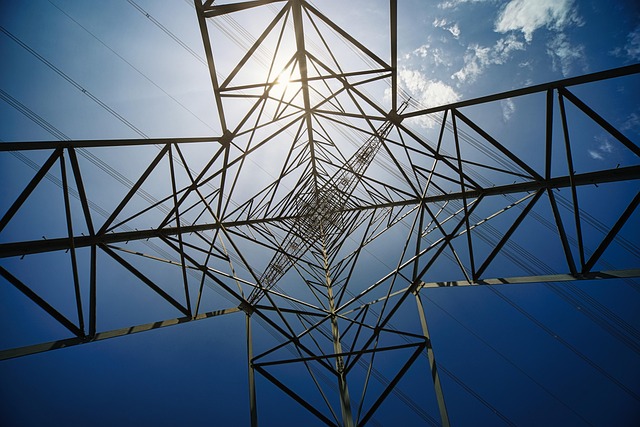
Understanding utility connection fees is crucial for borrowers planning new builds or renovations. These fees, varying 1%-3% of construction costs, are location-specific and influenced by infrastructure and utility providers. Early quotes from utilities enable budget accuracy and informed decision-making. Analyzing historical data and industry trends aids in risk management. Staying updated on regulatory changes and sustainable practices is essential for strategic budgeting and project success.
In today’s financial landscape, understanding utility connection fees is crucial for borrowers planning their monetary future. These fees, often overlooked, significantly impact the overall cost of borrowing, influencing decisions on loans, investments, and property purchases. The complexity lies in their diverse structures and varying across regions, making it challenging for individuals to make informed choices. This article aims to demystify utility connection fees, offering a comprehensive guide that equips readers with essential financial data. By the end, you’ll be equipped to navigate this intricate aspect of borrowing, ensuring strategic and savvy financial planning.
Understanding Utility Connection Fees: A Borrower's Perspective

Understanding utility connection fees is a critical aspect of borrowers’ planning process, especially when embarking on new builds or significant renovations. These fees, often overlooked, can significantly impact the financial tapestry of any construction project. Utility connection fees are the charges levied by various utilities (such as electricity, water, and gas) to connect a property to their networks. For borrowers, these fees represent a substantial expense that must be factored into project budgets, potentially affecting loan eligibility and overall financial health.
In the context of new builds, utility connection fees can range from 1% to 3% of the total construction cost, depending on the region and the complexity of the connection. For instance, connecting a remote residential property to the grid may incur higher fees due to the extended infrastructure requirements. Borrowers should obtain detailed quotes from utility providers early in the planning stage to gauge these costs accurately. This proactive approach enables informed financial decisions, ensuring that loan applications reflect the true financial picture.
Moreover, understanding these fees can help borrowers negotiate construction contracts more effectively. By knowing the typical utility connection fee structures, they can identify potential cost savings or areas for negotiation with contractors. For example, in some cases, bundling multiple utility connections into a single application might reduce overall expenses. This strategic planning not only optimizes budgets but also enhances a borrower’s ability to manage unexpected financial challenges during construction.
Deciphering Fees: Data-Driven Strategies for Borrowers

Utility connection fees play a significant role in shaping borrowers’ planning strategies, particularly when embarking on new builds or renovations. Deciphering these fees is crucial for anyone navigating the financial landscape of construction projects. The cost associated with connecting to essential utilities—such as electricity, water, and gas—can vary widely depending on various factors, including location, infrastructure complexity, and the utility provider’s charges. Understanding these dynamics is key to developing data-driven strategies that optimize borrowing plans.
For instance, a new build in an urban area might face higher connection fees due to the city’s dense infrastructure requirements, whereas a rural project could benefit from lower rates but potentially longer lead times for utility access. Borrowers can leverage this knowledge to make informed decisions about financing options and budget allocation. By analyzing historical data on utility connection costs for similar projects, lenders and borrowers alike can anticipate potential expenses more accurately. This proactive approach enables better risk management and ensures that borrowing plans are aligned with realistic financial expectations.
Moreover, staying abreast of regulatory changes and industry trends related to utility connections is essential. Policy updates or technological advancements in the energy sector might introduce new fee structures or incentives for adopting sustainable practices. Borrowers who stay informed can strategically position themselves to take advantage of these developments, potentially reducing long-term operational costs associated with their properties. In today’s data-driven world, treating utility connection fees as a dynamic variable rather than a static cost item can offer significant advantages in financial planning and project success.
Planning with Precision: Navigating Utility Connection Fee Complexities
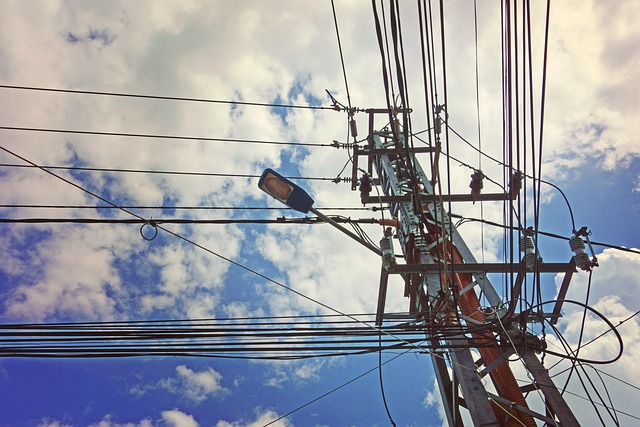
In today’s intricate construction landscape, understanding utility connection fees is paramount for borrowers’ precise planning. These fees, often overlooked, can significantly impact project budgets and timelines, especially in new build ventures. When embarking on a construction project, whether residential or commercial, utilities—electricity, water, gas—must be connected to the site, and this process involves various charges that can vary widely based on location, utility type, and project size.
For borrowers, navigating these complexities is crucial for strategic financial planning. Utility connection fees for new builds can range from a few hundred to several thousand dollars per utility, depending on factors such as distance from existing infrastructure and the complexity of installation. For instance, connecting a remote rural property to electricity or water may incur substantial costs compared to a urban renovation project. This variability underscores the need for borrowers to conduct thorough research and consult experts early in the planning phase. Engaging with utility providers and construction professionals can offer valuable insights into potential fees and their impact on overall project costs.
Borrowers should also consider future-proofing their investments by understanding emerging trends in utility infrastructure. As technology advances, smart grid implementations and renewable energy sources are becoming more prevalent, potentially influencing connection fee structures. Staying informed about these developments allows borrowers to make informed decisions when planning new builds or expansions, ensuring they allocate appropriate funds for utility connections while capitalizing on innovative solutions that may enhance their project’s long-term sustainability and value.