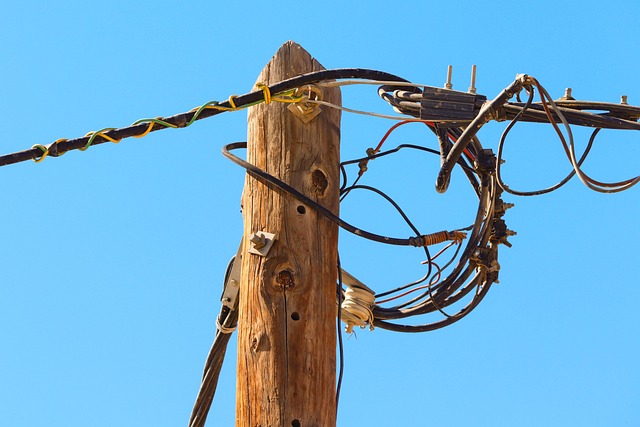
Utility connection fees, varying by location and project, significantly impact budgets and timelines for new builds and renovations. Homeowners can mitigate costs by:
– Requesting detailed fee breakdowns
– Consulting early with utility providers
– Researching local fee structures and comparing providers
– Staying informed about regulatory changes and industry trends
– Exploring alternative solutions like combined utilities or renewable energy sources
– Proactively planning for potential delays
Strategic planning, proactive communication, and knowledge of fee structures ensure projects remain financially feasible.
In the current housing market, understanding utility connection fees is pivotal for homeowners planning their future investments. These fees, often overlooked, significantly impact a property’s overall cost and can influence decisions regarding renovation, relocation, or new construction. With rapidly evolving trends in energy efficiency and sustainable living, navigating these charges has become increasingly complex. This article provides an authoritative overview of how utility connection fees affect modern homeowners, offering insights that empower informed decision-making in today’s dynamic market. We’ll explore strategies to mitigate costs and highlight the latest trends shaping this landscape.
Understanding Utility Connection Fees: A Homeowner's Guide

Utility connection fees play a significant role in a homeowner’s journey, especially when planning new builds or renovations. Understanding these fees is crucial as they can significantly impact the overall project cost. These charges, often overlooked, are levies imposed by utility providers for connecting a property to essential services like electricity, gas, and water. The complexity lies in their variability, which can range from a few hundred to several thousand dollars, depending on various factors.
When considering new builds, homeowners should be aware that utility connection fees can be up to 1-3 times higher than estimated, due to unforeseen complexities such as difficult terrain or existing infrastructure limitations. For instance, a recent study revealed that the average utility connection fee for a new residential property in urban areas stood at $2,500, with some cases exceeding $5,000. This underscores the importance of early engagement with utility providers to understand the associated costs. Homeowners can mitigate potential surprises by requesting detailed fee breakdowns and exploring options for reduced rates through pre-application consultations.
Practical advice for homeowners involves researching local utility connection fee structures and comparing them across providers. Some regions offer more transparent pricing models, providing an advantage in cost planning. Additionally, staying informed about regulatory changes and negotiating with utility companies for lower fees, particularly in rural areas, can prove beneficial. By being proactive and well-informed, homeowners can better navigate the utility connection fee landscape, ensuring their projects remain financially feasible and on track.
Impact on Planning: Costs and Time Delays

For homeowners planning new builds or significant renovations, understanding the impact of utility connection fees is crucial. These fees, often overlooked, can significantly influence project timelines and budgets. In today’s construction landscape, where projects are increasingly complex and regulations stringent, managing utility connection fees effectively is a game-changer.
Utility connection fees, as the name suggests, are charges levied by utility providers for connecting a property to essential services like electricity, water, and gas. In many regions, these fees can vary widely depending on the location, type of service, and the specific utility provider. For new builds, the cost can be particularly high, often amounting to 1-3 times the cost of connecting to the main utility lines. This can translate to substantial expenses, particularly in urban areas where land and utility infrastructure are scarce. Delays in obtaining these connections can also set back project timelines, leading to increased construction costs and potential legal repercussions for missing deadlines.
To mitigate these challenges, homeowners and builders must plan strategically. Proactive engagement with utility providers, understanding local regulations, and factoring in buffer periods for unexpected delays can help smoothen the process. Additionally, exploring alternative solutions, such as combined utilities or off-grid options, could reduce connection fees and enhance long-term sustainability. Staying informed about utility connection fee trends and seeking expert advice are essential steps in ensuring a seamless and cost-effective planning journey.
Current Trends: Fees Across Different Utilities

In the current landscape of homebuilding and renovation, understanding utility connection fees is paramount for homeowners. These fees, which vary significantly across different utilities, have a profound impact on project budgets and timelines. Recent trends reveal a notable disparity in charges, with some regions seeing substantial increases. For instance, according to a 2022 industry report, utility connection fees for new builds can range from 5% to 15% of the total construction cost, with average increases of 10% over the past decade. This underscores the importance of a thorough analysis of these fees, especially for new builds, where they can represent a substantial financial burden.
Electricity, gas, and water utility connection fees in urban areas tend to be higher due to the intensive infrastructure requirements and congestion of urban centers. As an example, a recent study comparing new build projects in metropolitan areas showed that electricity connection fees averaged 7% of the total construction cost, while water and gas fees combined averaged 3%. Conversely, rural areas often experience lower utility connection fees, making them an attractive option for cost-conscious homeowners. However, these savings must be weighed against the potential challenges of accessing reliable utility services in remote locations.
Homeowners can navigate these trends by seeking expert advice, comparing utility providers, and exploring alternative energy solutions. Proactive planning, including early engagement with utility companies, can help mitigate unexpected fee surcharges. Additionally, adopting energy-efficient practices and exploring renewable energy sources can not only reduce utility connection fees but also lower ongoing energy costs, making new builds more financially viable in the long term.
Strategies to Mitigate Hidden Connection Expenses

Utility connection fees can significantly impact homeowners’ budgets, especially when planning new builds or renovations. These costs, often overlooked, can add up to substantial expenses, potentially derailing financial plans. To mitigate these hidden costs, it’s crucial to implement strategic approaches from the outset. One effective method is early engagement with utility providers. By proactively reaching out, homeowners gain valuable insights into the range of fees associated with connecting to essential services like electricity, water, and gas. This proactive step allows for better budgeting and informed decision-making during the planning phase.
For new builds, understanding utility connection fees can be as simple as consulting local regulations and engaging with experienced builders who are well-versed in these costs. According to recent studies, utility connection expenses for new residential properties can vary widely, ranging from 5% to 15% of the total construction cost, depending on location and service complexity. In some regions, innovative solutions like pre-connected utilities or shared infrastructure models have emerged, significantly reducing these fees. Homeowners should explore such options, as they offer not only cost savings but also enhance project efficiency.
Furthermore, staying informed about regulatory changes and industry trends is vital. As utility infrastructures evolve, so do the associated fees. Keeping abreast of technological advancements in energy distribution, for instance, can provide opportunities to negotiate better rates. For example, the transition to smart grids may introduce more flexible pricing models, offering potential savings for homeowners who adopt compatible systems. By combining strategic planning, industry knowledge, and proactive communication, homeowners can effectively navigate utility connection fees, ensuring their projects stay on budget and within financial comfort zones.
Legal and Regulatory Aspects: Who Pays What?

In today’s housing market, understanding utility connection fees is crucial for homeowners looking to navigate the legal and regulatory aspects of new builds or renovations. These fees, which vary across jurisdictions and project types, can significantly impact a homeowner’s budget and overall project timeline. When considering a new build, for instance, research indicates that utility connection fees can range from 5-15% of the total construction cost, with certain utilities like electricity and water having higher fee structures than others. This underscores the importance of meticulous planning to avoid unforeseen financial burdens.
At the heart of these dynamics lie legal and regulatory frameworks that dictate who is responsible for paying utility connection fees. In many jurisdictions, developers or contractors are required to cover initial connection costs for new builds, reflecting a growing trend towards placing primary responsibility on industry professionals. However, homeowners should be vigilant in understanding their obligations, as some regulations mandate specific actions from them, such as obtaining permits or participating in meter installations. For example, in areas with stringent environmental regulations, homeowners might need to facilitate the connection of renewable energy sources, which can introduce additional utility connection fees.
Practical insights suggest that proactive communication between homeowners, developers, and utility providers is key to managing these costs effectively. Homeowners should not shy away from asking questions about fee structures early in the planning process. Engaging with local utility companies to understand the latest trends in new build connections can also provide valuable data for budgeting. Moreover, staying informed about regulatory changes that impact utility connection fees—especially in rapidly evolving markets—is essential for making informed decisions and ensuring compliance. Ultimately, understanding these legal and regulatory aspects allows homeowners to make informed choices, navigate projects smoothly, and avoid the pitfalls associated with unexpected fee spikes.
Case Studies: Successful Navigations and Lessons Learned

In the current construction landscape, homeowners increasingly navigate complex financial aspects when planning new builds. One critical element that demands careful consideration is the utility connection fee, which can significantly impact project budgets and overall planning. Case studies from various successful new build projects offer valuable insights into how these fees can be navigated and what lessons can be learned.
One notable case involves a suburban residential development where developers collaborated closely with utility providers to minimize connection fees. By pre-planning and negotiating bulk connection packages, they secured substantial discounts. This strategic move, coupled with efficient site design, resulted in savings that translated to more affordable homes without compromising quality. The project’s success highlights the importance of early engagement with utility companies and the potential for significant cost savings when utility connection fees for new builds are integrated into the overall project strategy.
Another example is a mixed-use urban development where the developers incorporated renewable energy sources, reducing the reliance on traditional utilities. By adopting solar panels and a district heating system, they significantly reduced the utility connection fees. This innovative approach not only minimized costs but also aligned with sustainability goals, attracting environmentally conscious buyers and tenants. The project’s success demonstrates the potential for reducing utility connection fees for new builds by embracing alternative energy solutions.
Lessons learned from these cases underscore the value of proactive planning and creative solutions. Engaging with utility providers early in the project lifecycle, understanding the fee structures, and exploring alternative energy options can lead to substantial savings. Homeowners and developers should also consider the long-term financial benefits of efficient and sustainable design choices. By doing so, they can navigate utility connection fees for new builds effectively, ensuring both cost-efficiency and project success.